How to Use Hot Wax: Guide for Professional Estheticians
Learning how to use hot wax safely is essential for estheticians who plan on providing hot waxing services to their clientele. Read on to find out more.
Learning how to use hot wax safely is essential for estheticians who plan on providing hot waxing services to their clientele. Read on to find out more.


Summary
Whether you’re an esthetician specializing in hot wax hair removal or waxing is just one of many services on your menu, learning how to use hot wax properly is crucial to the safety of your clients and to the success of your business. This step-by-step guide will explain how to use hot wax the correct way, along with the benefits of hot waxing. Plus, we’ll explore the different types of wax for hair removal.
What Is Hot Wax?
Hot wax, also known as hard wax, is a type of wax that hardens for removal, leaving you with smooth, hair-free skin. Hot wax is applied thickly to ensure all the hairs are coated, and works for sensitive areas or even on fine or stubbly hair. Hot wax also primarily adheres to the hair rather than the skin, reducing the amount of skin trauma or potential damage.
Strip wax, also known as soft wax, is applied in a thin layer, but also relies on a cloth removal strip (like muslin) to grab the hairs. These strips can cause skin lifting or abrasions on more sensitive clients.
5 Benefits of Using Hot Wax With Your Clients
Hot wax hair removal is a quick and effective way to get smooth skin with minimal risk of damage. Hot waxing has a number of benefits over alternatives like strip waxing:
1. Easier to remove
Hot wax sticks to the hair instead of the skin, making it easier to remove coarse, short, or thin hairs from the root without premature breakage. Breakage can cause ingrown hairs or a stubble-like texture, which can be uncomfortable for the client (and cause a strawberry-like or mottled appearance).
2. It’s gentler
Since hot wax doesn’t adhere as firmly to the skin, it is a gentler hair removal method for sensitive areas like the face, underarms, and bikini line.
3. Works on all hair types
Hot wax works well for all hair types, whether that’s fine, thick, coarse, or thin, making it a versatile choice for estheticians catering to clients with different hair textures or removal needs.
4. Reduces hair growth over time
Whereas shaving only ‘trims’ the hair at the skin level, the hot waxing process can cause damage to hair roots over time—which may sound bad, but it actually may result in finer hairs or less regrowth altogether.
5. Lasts longer
If electrolysis or laser hair removal isn’t in the cards, then waxing is your next best bet for long-term hair removal. Results from waxing can last several weeks or months, in comparison to shaving, which you can typically expect to see regrowth in a matter of days (or for some of us, hours).
[CTA_MODULE]
How to Use Hot Wax in 6 Steps
Learning how to apply hot wax is a necessary step to providing safe, effective waxing services. Below, we provide a step-by-step guide for how to use hot wax.
1. Prep the skin
First, properly prepare the client’s skin by cleansing with an antibacterial wipe or pre-wax cleanser to remove any oils, sweat, or bacteria that could inhibit a smooth waxing experience or contaminate the area.
2. Heat the wax
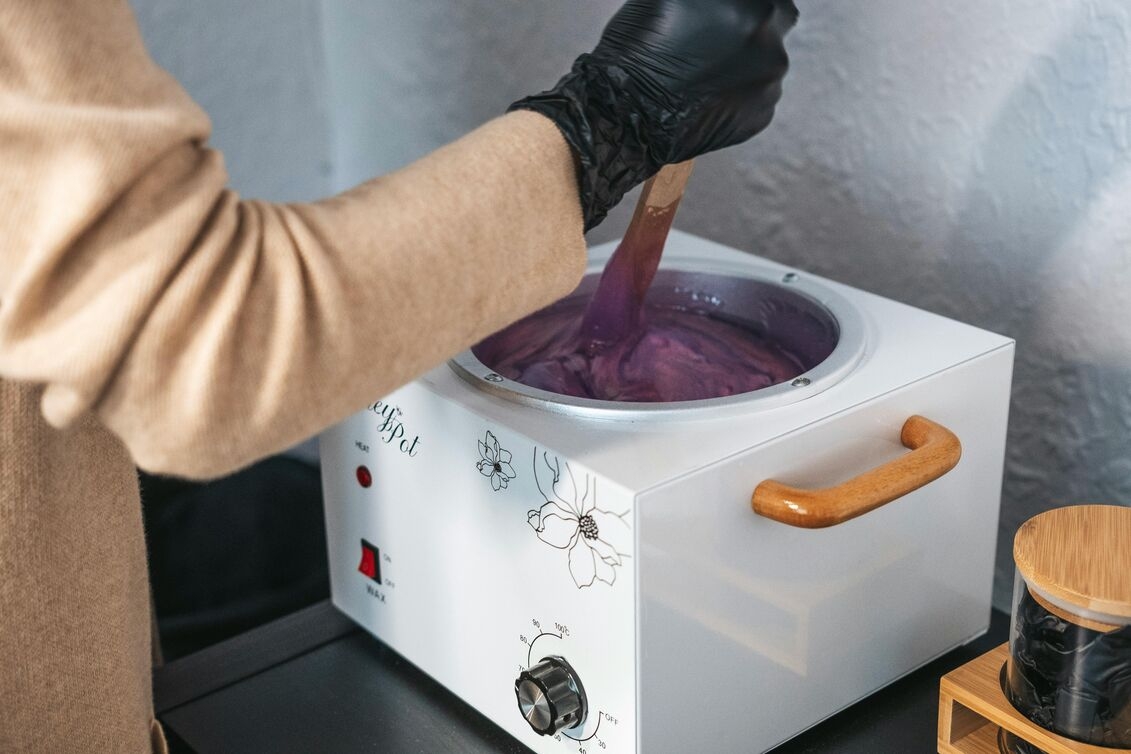
Heat your wax to the right temperature by using a professional wax warmer. The temperature ‘sweet spot’ depends on the brand and thickness of your hard wax, and can range anywhere between 100 and 150 degrees Fahrenheit, though some waxes may require higher or lower temperatures than this. Always check the product directions for specific heating instructions.
3. Test the wax
Before applying to your client’s skin, test a drop of hot wax on the underside of your wrist to ensure it is not too hot and won’t cause injury. If the wax bubbles, is too runny, or drips, then you’ll need to lower the temperature before applying it to the customer’s skin. If the wax feels stiff and doesn’t spread easily, then it’s not warm enough yet for application.
4. Apply the wax
Using a fresh, wooden spatula, dip the tool into the warmer to procure a glob of hot wax (the size of which will depend on your waxing area). Spread the wax in a thick, even layer in the direction of the hair growth, pressing firmly to cover the target area. You may want to keep the edges a bit thicker to give yourself enough material to pull for removal.
5. Remove the wax
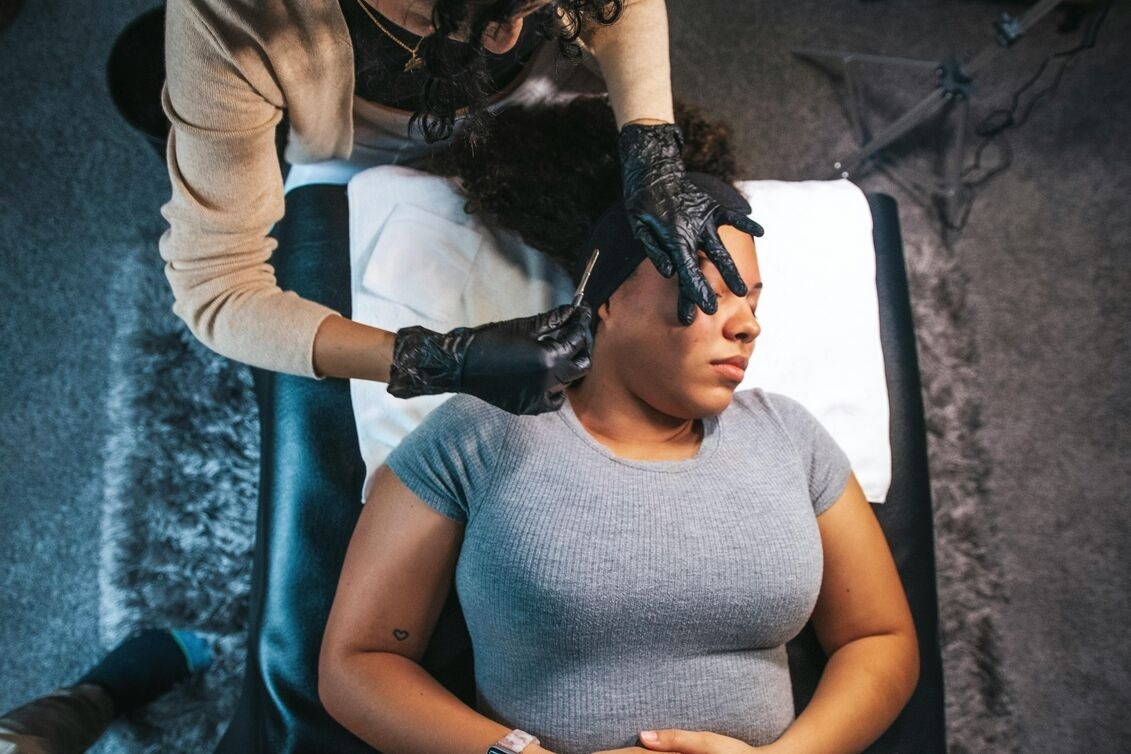
Let the hot wax sit for a few moments until it hardens. Once it’s cured, hold the skin taut with one hand, and using the other, quickly rip the hardened wax from the bottom – against the direction of the hair growth. Ripping in this direction ensures you are pulling the hair from the follicle, minimizing breakage and increasing the wax’s effectiveness.
Repeat if necessary, though keep in mind several applications in one area may lead to increased irritation.
6. Perform aftercare
Once the waxing is complete, perform any aftercare steps necessary to soothe and moisturize the skin. This may involve a cool compress, post-wax oil, or a lotion to help calm redness and remove leftover wax residue.
[CTA_MODULE]
3 Types of Wax for Hair Removal
In addition to hot wax, there are several different types of wax for hair removal you can use at your salon or spa.
1. Soft wax
Soft wax is warmed to temperatures around 120-140 degrees Fahrenheit, and then applied to the skin. Soft wax sticks to both the hair and the top most layer of the skin, making it more effective on larger areas (like the legs or back), but a little harsher on smaller, sensitive areas like the bikini line or underarms.
2. Sugaring
Sugaring is a mostly heatless hair removal method that involves creating a paste of lemons, sugar, and water – a sticky syrup that serves as the “wax”. This mixture may be slightly warmed for application, but nowhere near the temperature of hot wax. Sugaring is preferred by some clients and can serve as a gentler alternative to hot wax hair removal.
3. Fruit wax
Similar to hard wax, fruit wax is a strip-less waxing method. It is typically formulated with natural fruit extracts and oils, providing your skin with nourishing vitamins and soothing ingredients while it removes unwanted hair.
Scale Your Esthetician Business With GlossGenius
Knowing how to use hot wax the right way can not only keep your clients safe from injury or skin damage, but improve your professional reputation. Estheticians must be efficient yet gentle, and take all steps necessary to facilitate the best experience for their customers – especially those waxing more private, sensitive areas. Once you’ve established yourself as a trusted service provider, you may find yourself with an increase in regular and incoming clients – a dream come true!
GlossGenius is the perfect all-in-one software for estheticians to help scale your esthetician business and reach new levels of success. Our Online Booking software makes it simple to get clients on your books 24/7, while our Client Management features keep your customer database organized and accessible. And with GlossGenius Financing, you can get the funds you need for all your business-related expenses, whether that’s new equipment or new decor.
Try GlossGenius today and get a 14-day free trial!
FAQs:
How do you use hot wax step by step?
First, heat the wax to an acceptable temperature – not too hot that it burns the skin, but not too cool that you can’t spread it. After cleansing the target area, dip the applicator into the wax warmer, then apply the hot wax in the direction of the hair growth (leaving a thick edge you can pull). Once the wax hardens, tear from the thick edge you created at the bottom, in the direction against the hair growth.
Do you apply hot wax with or against the hair?
Hot wax is applied with the hair growth, then removed against the hair growth.
Is it better to apply hair wax wet or dry?
Hot wax should be applied to dry hair and skin. Water can dilute the wax or create a barrier between the wax and the hair, reducing its effectiveness.
Is hot wax good for pubic hair?
While all bodies react differently to hot waxing, it is typically an acceptable method for removing pubic hair, as well as hair in other sensitive areas.
.png)
Join Our Genius Newsletter
Get the latest articles, inspiring how-to’s, and educational workbooks delivered to your inbox.
How to Use Hot Wax: Guide for Professional Estheticians
Learning how to use hot wax safely is essential for estheticians who plan on providing hot waxing services to their clientele. Read on to find out more.
Summary
Whether you’re an esthetician specializing in hot wax hair removal or waxing is just one of many services on your menu, learning how to use hot wax properly is crucial to the safety of your clients and to the success of your business. This step-by-step guide will explain how to use hot wax the correct way, along with the benefits of hot waxing. Plus, we’ll explore the different types of wax for hair removal.
What Is Hot Wax?
Hot wax, also known as hard wax, is a type of wax that hardens for removal, leaving you with smooth, hair-free skin. Hot wax is applied thickly to ensure all the hairs are coated, and works for sensitive areas or even on fine or stubbly hair. Hot wax also primarily adheres to the hair rather than the skin, reducing the amount of skin trauma or potential damage.
Strip wax, also known as soft wax, is applied in a thin layer, but also relies on a cloth removal strip (like muslin) to grab the hairs. These strips can cause skin lifting or abrasions on more sensitive clients.
5 Benefits of Using Hot Wax With Your Clients
Hot wax hair removal is a quick and effective way to get smooth skin with minimal risk of damage. Hot waxing has a number of benefits over alternatives like strip waxing:
1. Easier to remove
Hot wax sticks to the hair instead of the skin, making it easier to remove coarse, short, or thin hairs from the root without premature breakage. Breakage can cause ingrown hairs or a stubble-like texture, which can be uncomfortable for the client (and cause a strawberry-like or mottled appearance).
2. It’s gentler
Since hot wax doesn’t adhere as firmly to the skin, it is a gentler hair removal method for sensitive areas like the face, underarms, and bikini line.
3. Works on all hair types
Hot wax works well for all hair types, whether that’s fine, thick, coarse, or thin, making it a versatile choice for estheticians catering to clients with different hair textures or removal needs.
4. Reduces hair growth over time
Whereas shaving only ‘trims’ the hair at the skin level, the hot waxing process can cause damage to hair roots over time—which may sound bad, but it actually may result in finer hairs or less regrowth altogether.
5. Lasts longer
If electrolysis or laser hair removal isn’t in the cards, then waxing is your next best bet for long-term hair removal. Results from waxing can last several weeks or months, in comparison to shaving, which you can typically expect to see regrowth in a matter of days (or for some of us, hours).
[CTA_MODULE]
How to Use Hot Wax in 6 Steps
Learning how to apply hot wax is a necessary step to providing safe, effective waxing services. Below, we provide a step-by-step guide for how to use hot wax.
1. Prep the skin
First, properly prepare the client’s skin by cleansing with an antibacterial wipe or pre-wax cleanser to remove any oils, sweat, or bacteria that could inhibit a smooth waxing experience or contaminate the area.
2. Heat the wax
Heat your wax to the right temperature by using a professional wax warmer. The temperature ‘sweet spot’ depends on the brand and thickness of your hard wax, and can range anywhere between 100 and 150 degrees Fahrenheit, though some waxes may require higher or lower temperatures than this. Always check the product directions for specific heating instructions.
3. Test the wax
Before applying to your client’s skin, test a drop of hot wax on the underside of your wrist to ensure it is not too hot and won’t cause injury. If the wax bubbles, is too runny, or drips, then you’ll need to lower the temperature before applying it to the customer’s skin. If the wax feels stiff and doesn’t spread easily, then it’s not warm enough yet for application.
4. Apply the wax
Using a fresh, wooden spatula, dip the tool into the warmer to procure a glob of hot wax (the size of which will depend on your waxing area). Spread the wax in a thick, even layer in the direction of the hair growth, pressing firmly to cover the target area. You may want to keep the edges a bit thicker to give yourself enough material to pull for removal.
5. Remove the wax
Let the hot wax sit for a few moments until it hardens. Once it’s cured, hold the skin taut with one hand, and using the other, quickly rip the hardened wax from the bottom – against the direction of the hair growth. Ripping in this direction ensures you are pulling the hair from the follicle, minimizing breakage and increasing the wax’s effectiveness.
Repeat if necessary, though keep in mind several applications in one area may lead to increased irritation.
6. Perform aftercare
Once the waxing is complete, perform any aftercare steps necessary to soothe and moisturize the skin. This may involve a cool compress, post-wax oil, or a lotion to help calm redness and remove leftover wax residue.
[CTA_MODULE]
3 Types of Wax for Hair Removal
In addition to hot wax, there are several different types of wax for hair removal you can use at your salon or spa.
1. Soft wax
Soft wax is warmed to temperatures around 120-140 degrees Fahrenheit, and then applied to the skin. Soft wax sticks to both the hair and the top most layer of the skin, making it more effective on larger areas (like the legs or back), but a little harsher on smaller, sensitive areas like the bikini line or underarms.
2. Sugaring
Sugaring is a mostly heatless hair removal method that involves creating a paste of lemons, sugar, and water – a sticky syrup that serves as the “wax”. This mixture may be slightly warmed for application, but nowhere near the temperature of hot wax. Sugaring is preferred by some clients and can serve as a gentler alternative to hot wax hair removal.
3. Fruit wax
Similar to hard wax, fruit wax is a strip-less waxing method. It is typically formulated with natural fruit extracts and oils, providing your skin with nourishing vitamins and soothing ingredients while it removes unwanted hair.
Scale Your Esthetician Business With GlossGenius
Knowing how to use hot wax the right way can not only keep your clients safe from injury or skin damage, but improve your professional reputation. Estheticians must be efficient yet gentle, and take all steps necessary to facilitate the best experience for their customers – especially those waxing more private, sensitive areas. Once you’ve established yourself as a trusted service provider, you may find yourself with an increase in regular and incoming clients – a dream come true!
GlossGenius is the perfect all-in-one software for estheticians to help scale your esthetician business and reach new levels of success. Our Online Booking software makes it simple to get clients on your books 24/7, while our Client Management features keep your customer database organized and accessible. And with GlossGenius Financing, you can get the funds you need for all your business-related expenses, whether that’s new equipment or new decor.
Try GlossGenius today and get a 14-day free trial!
FAQs:
How do you use hot wax step by step?
First, heat the wax to an acceptable temperature – not too hot that it burns the skin, but not too cool that you can’t spread it. After cleansing the target area, dip the applicator into the wax warmer, then apply the hot wax in the direction of the hair growth (leaving a thick edge you can pull). Once the wax hardens, tear from the thick edge you created at the bottom, in the direction against the hair growth.
Do you apply hot wax with or against the hair?
Hot wax is applied with the hair growth, then removed against the hair growth.
Is it better to apply hair wax wet or dry?
Hot wax should be applied to dry hair and skin. Water can dilute the wax or create a barrier between the wax and the hair, reducing its effectiveness.
Is hot wax good for pubic hair?
While all bodies react differently to hot waxing, it is typically an acceptable method for removing pubic hair, as well as hair in other sensitive areas.
Download Now
Join Our Genius Newsletter
Get the latest articles, inspiring how-to’s, and educational workbooks delivered to your inbox.