.jpg)
Guide to Tattoo Training: Schools, Apprenticeships, and More
Curious about tattoo training and how it can help launch a successful career? Explore your options, from tattoo schools to apprenticeships and more.
Curious about tattoo training and how it can help launch a successful career? Explore your options, from tattoo schools to apprenticeships and more.


Summary:
Mastering tattooing takes more than just raw skill. It’s a craft that combines art, technique, safety, and business smarts. To get there, you need quality training. This guide will walk you through what tattoo artist training looks like, the various options out there, how to choose the right program, and what to do once you’re trained.
The Building Blocks of Tattoo Artist Training
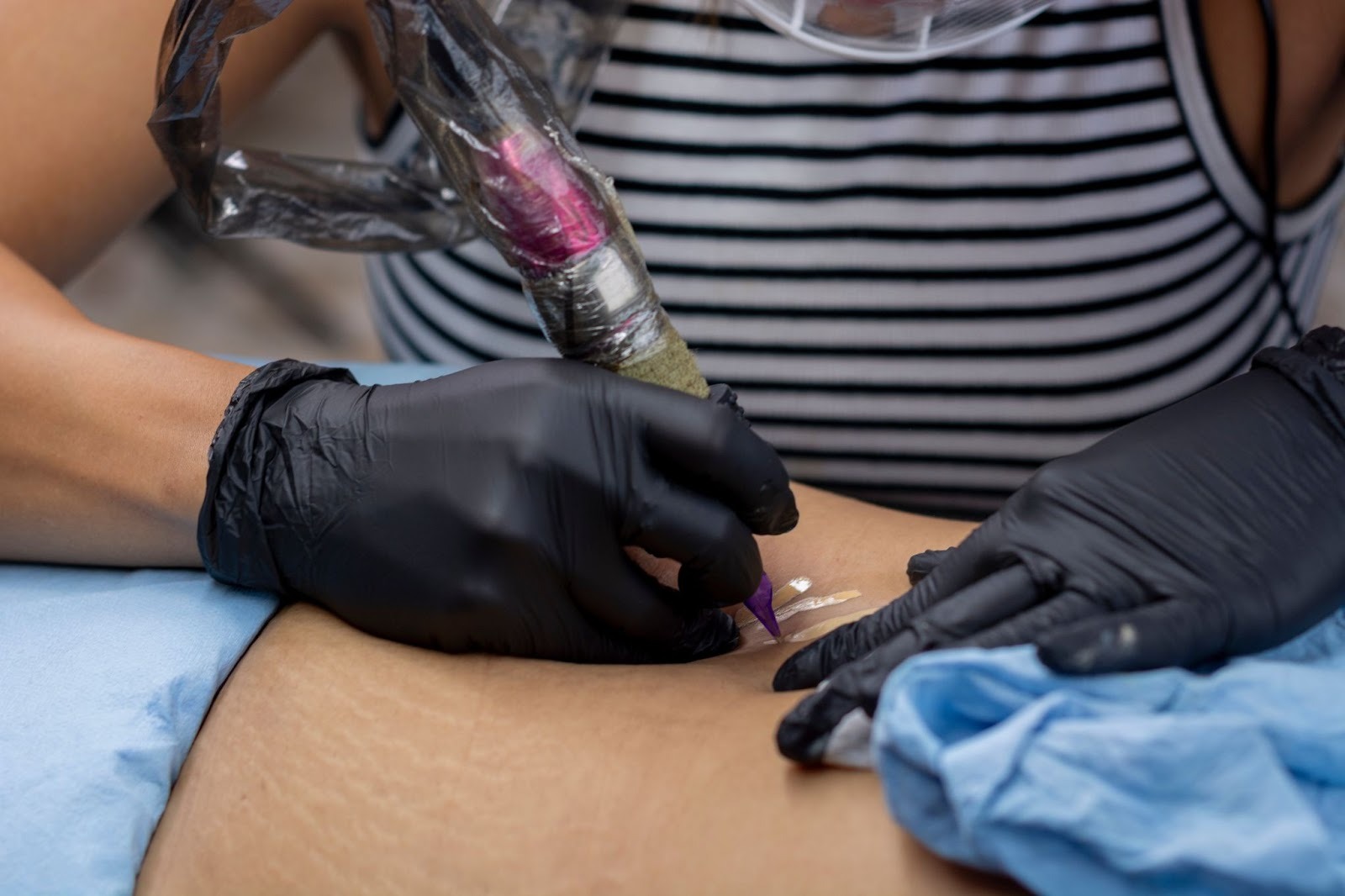
Tattooing is more than just putting ink to skin. It’s an intricate process demanding precision, artistry, and professionalism. The right training will prepare you to handle every aspect of tattooing, from technique to client management.
Here’s a look at what’s typically covered in tattoo artist training:
1. Essential techniques
You’ve probably heard tattooing described as an “art form with no eraser.” There’s no better description than that, and that’s largely because with tattooing, every single stroke matters.
The appropriate, and solid, training hones your ability to nail the three foundations of tattooing:
- Linework: Crisp, clean lines are the backbone of a tattoo. You’ll practice steady hand movements and learn how to create precise, sharp outlines on skin.
- Shading and color packing: Turning flat ink into depth and vibrancy is an art. Expect to spend hours perfecting smooth transitions, bold fills, and realistic gradients.
- Design execution: Translating a drawing onto skin is a skill of its own. Training will help you understand placement, proportion, and adapting art for body contours.
2. Bloodborne pathogen safety and sanitation
Whether you’re running your own tattoo parlor or working under someone else, you probably already know that safety isn’t optional. It’s your legal and ethical obligation as a tattoo artist to obtain the proper safety and sanitation education.
Each state has different requirements in terms of coursework, but in general, you’ll be taught proper sterilization methods, like autoclaving, along with how to safely handle needles, ink caps, and tattoo machines. You may also cover ways to prevent cross-contamination between sessions
3. Equipment know-how
Your tattoo machine is your lifeline, and you need to know how to use it effectively and safely. Most tattoo training schools will cover essentials like how to assemble, adjust, and tune machines for specific tasks.
You may learn strategies for maintaining your machines for optimal performance, as well as tips for troubleshooting issues, so you’re never caught off guard mid-session.
4. Client communication and business skills
Great tattoos start with great conversations. Training helps build your confidence in:
- Consulting with clients to bring their visions to life
- Educating clients on aftercare
- Pricing services and handling appointments without headaches
And if you need more help with streamlining your customer management, tools like GlossGenius’ Client Management platform make appointment scheduling and pricing a breeze.
[CTA_MODULE]
5. Shop management
If your goal is to run a solo studio, you’ll need to master the behind-the-scenes hustle, like tracking inventory, managing legal paperwork and licenses, and creating a welcoming environment that ensures repeat business.
Again, a great tattoo art school will cover these basics as part of their curriculum, but it never hurts to have some helpful tools (like GlossGenius) at your disposal, either. We’ll tell you more about this later on.
Types of Tattoo Artist Training
Not all paths to becoming a tattoo artist are created equal. Some opt for a tattoo art school, others take the apprenticeship route, while some explore online tattoo artist training. Whichever path you choose, nailing the fundamentals and building your confidence is critical so you can thrive as a solo artist.
Depending on your budget, location, and learning preference, you can pick from a range of training options. Here’s a brief overview so you know what to look for:
1. Traditional apprenticeships
The OG method of becoming a tattoo artist is an apprenticeship. You’ll work under a seasoned mentor, learn hands-on, and observe day-to-day shop life.
There are many perks associated with this kind of training. For one, you’ll get direct feedback on your work, helping you learn the ropes as quickly as possible. You’ll also gain real-world experience in a functioning studio, and you just can’t beat the value of mentorship from an established, experienced artist.
The downside? They’re highly competitive, sometimes unpaid, and often involve a steep learning curve. Still, for many, this is the most immersive route to mastering the craft.
2. Tattoo art schools
For those who prefer a structured, classroom-style education, tattoo art schools are a solid option, too. These schools typically offer formal courses covering technique, art theory, and machine maintenance. You will also likely be privy to hands-on practice with human or synthetic skin.
In most cases, as long as you’re attending an established and certified tattoo art school, you’ll be able to earn a certification that’s recognized by local health departments.
While this route can be pricier, the structured environment often offers a faster learning curve for those who thrive in academic settings.
3. Online tattoo schools
Busy schedule? Limited by geography? Online tattoo artist schools are growing in popularity.
These programs offer virtual lessons on everything from basic designs to advanced colorwork. Some include video feedback from instructors, while others supplement with live Q&A sessions.
While hands-on practice is still crucial (you can’t tattoo over Zoom, unfortunately), online options are nonetheless a great way to learn the theory from anywhere.
How to Find the Right Tattoo Training Program
To make sure you’re investing your time and money wisely, follow these steps:
1. Check their credentials
Tattoo art schools often tout shiny websites, but are they legit? Look for programs recognized by local health departments or respected tattoo associations. This ensures you’ll meet safety standards and any legal requirements that might be in place within your state.
2. Research the mentors
A school, or even an individual mentor, is only as good as their experience. Check to see if the instructors are working tattoo artists with high standards and a strong portfolio behind them.
3. Balance of theory and practice
You can’t learn tattooing just from textbooks. Make sure the program emphasizes hands-on practice, whether it’s working with synthetic skin or supervised tattooing on real clients.
4. Reviews and alumni feedback
What do past students have to say? Scour reviews and forums to find programs with good reputations (and avoid the red flags). While a bad review here or there is more or less unavoidable, you should steer clear of those where past students had nothing nice to say at all.
5. Visit studios or schools
If possible, visit in person. Look for a clean, professional environment and gauge the vibe. Training somewhere you feel comfortable and inspired can make all the difference.
The Top Tattoo Art Schools and Training Programs
If you’re looking to enroll in a tattoo trade school or apprenticeship, here’s a breakdown of some of the best options out there:
1. Master Tattoo Institute
Known for its hands-on focus, this tattoo trade school covers both basic and advanced techniques, as well as piercing and cosmetic tattooing.
2. U.S. Tattoo School
Whether you’re a newbie or an experienced artist, U.S. Tattoo School offers courses tailored to all skill levels. They’re also recognized for their solid safety protocols.
3. Tattooing 101
This is the go-to online training resource for aspiring tattoo artists, offering comprehensive video lessons and art tutorials.
4. Ink Different Tattoo School
Ink Different combines online classes with in-person workshops to give students the flexibility they need to thrive.
5. Point of View Tattoo School
Specialized and intimate, this school offers one-on-one mentorship, focusing on perfecting technique and building business savvy.
6. World’s Only Tattoo School
This one has a bold (and slightly funny) name, but is a legit school nonetheless. Their intensive programs appeal to beginners eager to fast-track their training.
7. Speakeasy Tattoo Apprenticeship
With locations across several major cities, Speakeasy offers structured apprenticeships under reputable mentors. It’s a great way to gain hands-on shop experience.
8. Patch Tattoo Therapy Apprenticeship
This unique program blends tattooing with tattoo therapy, making it ideal for those looking to forge deeper client connections.
What Happens After Tattoo School?
The tattoo artist training isn’t over after you graduate. Here are three key moves to solidify your career after attending school for tattooing:
1. Secure licensing
Each state or country has its own tattoo licensing requirements. Find out what’s required in your area and be sure to keep those certifications up to date.
2. Build your portfolio
A killer portfolio is your ticket to landing new clients. Photograph your best designs, display different styles, and organize it in a sleek, professional way. You can’t overestimate the power of showcasing versatility.
3. Network like crazy
Whether you’re opening a solo studio or working as a freelancer, networking makes a difference. Attend conventions, connect with other artists, and stay active in tattoo communities to keep opportunities flowing.
Grow Your Tattoo Career With GlossGenius
Launching your tattoo career can feel overwhelming. But it doesn’t have to be. With tools like GlossGenius, you can streamline the business side of things and focus on what matters most: inking unforgettable art.
GlossGenius' software for tattoo artists offers a variety of features to make running your business easier than ever, including Online Booking to help you simplify your scheduling process and avoid those frustrating back-and-forth texts.
You can also create a custom website for your portfolio so you can show off your best work and attract clients on autopilot. Need capital to set up your studio? GlossGenius has got you covered with Financing.
Start your free trial today with GlossGenius and take your tattoo business to the next level!
[CTA_MODULE]
FAQs
Should tattoo artists go to art school?
While art school isn’t a requirement, attending tattoo artist school specifically can nonetheless be useful for honing your design and drawing skills. A strong artistic foundation is crucial to creating impressive tattoos, though many skills can also be self-taught or developed through practical experience.
Is there a college for tattoo artists?
There are no traditional colleges solely dedicated to tattooing. However, specialized tattoo art schools and programs cater specifically to the craft. Additionally, some colleges offer courses in fine arts, which can complement your tattoo career.
What is the best education for a tattoo artist?
The best school for tattooing combines theoretical knowledge, hands-on experience, and mentorship. If you thrive in disciplined environments, an art school or formal program might be ideal. For those who prefer a hands-on approach, apprenticeships provide valuable real-world exposure.
How long can it take to become a tattoo artist?
The timeline varies. An apprenticeship can last anywhere from one to three years, while tattoo art schools or online programs might take several months to complete. Even after formal training, it takes years of practice to truly master the craft.
.png)
Join Our Genius Newsletter
Get the latest articles, inspiring how-to’s, and educational workbooks delivered to your inbox.
Guide to Tattoo Training: Schools, Apprenticeships, and More
Curious about tattoo training and how it can help launch a successful career? Explore your options, from tattoo schools to apprenticeships and more.
Summary:
Mastering tattooing takes more than just raw skill. It’s a craft that combines art, technique, safety, and business smarts. To get there, you need quality training. This guide will walk you through what tattoo artist training looks like, the various options out there, how to choose the right program, and what to do once you’re trained.
The Building Blocks of Tattoo Artist Training
Tattooing is more than just putting ink to skin. It’s an intricate process demanding precision, artistry, and professionalism. The right training will prepare you to handle every aspect of tattooing, from technique to client management.
Here’s a look at what’s typically covered in tattoo artist training:
1. Essential techniques
You’ve probably heard tattooing described as an “art form with no eraser.” There’s no better description than that, and that’s largely because with tattooing, every single stroke matters.
The appropriate, and solid, training hones your ability to nail the three foundations of tattooing:
- Linework: Crisp, clean lines are the backbone of a tattoo. You’ll practice steady hand movements and learn how to create precise, sharp outlines on skin.
- Shading and color packing: Turning flat ink into depth and vibrancy is an art. Expect to spend hours perfecting smooth transitions, bold fills, and realistic gradients.
- Design execution: Translating a drawing onto skin is a skill of its own. Training will help you understand placement, proportion, and adapting art for body contours.
2. Bloodborne pathogen safety and sanitation
Whether you’re running your own tattoo parlor or working under someone else, you probably already know that safety isn’t optional. It’s your legal and ethical obligation as a tattoo artist to obtain the proper safety and sanitation education.
Each state has different requirements in terms of coursework, but in general, you’ll be taught proper sterilization methods, like autoclaving, along with how to safely handle needles, ink caps, and tattoo machines. You may also cover ways to prevent cross-contamination between sessions
3. Equipment know-how
Your tattoo machine is your lifeline, and you need to know how to use it effectively and safely. Most tattoo training schools will cover essentials like how to assemble, adjust, and tune machines for specific tasks.
You may learn strategies for maintaining your machines for optimal performance, as well as tips for troubleshooting issues, so you’re never caught off guard mid-session.
4. Client communication and business skills
Great tattoos start with great conversations. Training helps build your confidence in:
- Consulting with clients to bring their visions to life
- Educating clients on aftercare
- Pricing services and handling appointments without headaches
And if you need more help with streamlining your customer management, tools like GlossGenius’ Client Management platform make appointment scheduling and pricing a breeze.
[CTA_MODULE]
5. Shop management
If your goal is to run a solo studio, you’ll need to master the behind-the-scenes hustle, like tracking inventory, managing legal paperwork and licenses, and creating a welcoming environment that ensures repeat business.
Again, a great tattoo art school will cover these basics as part of their curriculum, but it never hurts to have some helpful tools (like GlossGenius) at your disposal, either. We’ll tell you more about this later on.
Types of Tattoo Artist Training
Not all paths to becoming a tattoo artist are created equal. Some opt for a tattoo art school, others take the apprenticeship route, while some explore online tattoo artist training. Whichever path you choose, nailing the fundamentals and building your confidence is critical so you can thrive as a solo artist.
Depending on your budget, location, and learning preference, you can pick from a range of training options. Here’s a brief overview so you know what to look for:
1. Traditional apprenticeships
The OG method of becoming a tattoo artist is an apprenticeship. You’ll work under a seasoned mentor, learn hands-on, and observe day-to-day shop life.
There are many perks associated with this kind of training. For one, you’ll get direct feedback on your work, helping you learn the ropes as quickly as possible. You’ll also gain real-world experience in a functioning studio, and you just can’t beat the value of mentorship from an established, experienced artist.
The downside? They’re highly competitive, sometimes unpaid, and often involve a steep learning curve. Still, for many, this is the most immersive route to mastering the craft.
2. Tattoo art schools
For those who prefer a structured, classroom-style education, tattoo art schools are a solid option, too. These schools typically offer formal courses covering technique, art theory, and machine maintenance. You will also likely be privy to hands-on practice with human or synthetic skin.
In most cases, as long as you’re attending an established and certified tattoo art school, you’ll be able to earn a certification that’s recognized by local health departments.
While this route can be pricier, the structured environment often offers a faster learning curve for those who thrive in academic settings.
3. Online tattoo schools
Busy schedule? Limited by geography? Online tattoo artist schools are growing in popularity.
These programs offer virtual lessons on everything from basic designs to advanced colorwork. Some include video feedback from instructors, while others supplement with live Q&A sessions.
While hands-on practice is still crucial (you can’t tattoo over Zoom, unfortunately), online options are nonetheless a great way to learn the theory from anywhere.
How to Find the Right Tattoo Training Program
To make sure you’re investing your time and money wisely, follow these steps:
1. Check their credentials
Tattoo art schools often tout shiny websites, but are they legit? Look for programs recognized by local health departments or respected tattoo associations. This ensures you’ll meet safety standards and any legal requirements that might be in place within your state.
2. Research the mentors
A school, or even an individual mentor, is only as good as their experience. Check to see if the instructors are working tattoo artists with high standards and a strong portfolio behind them.
3. Balance of theory and practice
You can’t learn tattooing just from textbooks. Make sure the program emphasizes hands-on practice, whether it’s working with synthetic skin or supervised tattooing on real clients.
4. Reviews and alumni feedback
What do past students have to say? Scour reviews and forums to find programs with good reputations (and avoid the red flags). While a bad review here or there is more or less unavoidable, you should steer clear of those where past students had nothing nice to say at all.
5. Visit studios or schools
If possible, visit in person. Look for a clean, professional environment and gauge the vibe. Training somewhere you feel comfortable and inspired can make all the difference.
The Top Tattoo Art Schools and Training Programs
If you’re looking to enroll in a tattoo trade school or apprenticeship, here’s a breakdown of some of the best options out there:
1. Master Tattoo Institute
Known for its hands-on focus, this tattoo trade school covers both basic and advanced techniques, as well as piercing and cosmetic tattooing.
2. U.S. Tattoo School
Whether you’re a newbie or an experienced artist, U.S. Tattoo School offers courses tailored to all skill levels. They’re also recognized for their solid safety protocols.
3. Tattooing 101
This is the go-to online training resource for aspiring tattoo artists, offering comprehensive video lessons and art tutorials.
4. Ink Different Tattoo School
Ink Different combines online classes with in-person workshops to give students the flexibility they need to thrive.
5. Point of View Tattoo School
Specialized and intimate, this school offers one-on-one mentorship, focusing on perfecting technique and building business savvy.
6. World’s Only Tattoo School
This one has a bold (and slightly funny) name, but is a legit school nonetheless. Their intensive programs appeal to beginners eager to fast-track their training.
7. Speakeasy Tattoo Apprenticeship
With locations across several major cities, Speakeasy offers structured apprenticeships under reputable mentors. It’s a great way to gain hands-on shop experience.
8. Patch Tattoo Therapy Apprenticeship
This unique program blends tattooing with tattoo therapy, making it ideal for those looking to forge deeper client connections.
What Happens After Tattoo School?
The tattoo artist training isn’t over after you graduate. Here are three key moves to solidify your career after attending school for tattooing:
1. Secure licensing
Each state or country has its own tattoo licensing requirements. Find out what’s required in your area and be sure to keep those certifications up to date.
2. Build your portfolio
A killer portfolio is your ticket to landing new clients. Photograph your best designs, display different styles, and organize it in a sleek, professional way. You can’t overestimate the power of showcasing versatility.
3. Network like crazy
Whether you’re opening a solo studio or working as a freelancer, networking makes a difference. Attend conventions, connect with other artists, and stay active in tattoo communities to keep opportunities flowing.
Grow Your Tattoo Career With GlossGenius
Launching your tattoo career can feel overwhelming. But it doesn’t have to be. With tools like GlossGenius, you can streamline the business side of things and focus on what matters most: inking unforgettable art.
GlossGenius' software for tattoo artists offers a variety of features to make running your business easier than ever, including Online Booking to help you simplify your scheduling process and avoid those frustrating back-and-forth texts.
You can also create a custom website for your portfolio so you can show off your best work and attract clients on autopilot. Need capital to set up your studio? GlossGenius has got you covered with Financing.
Start your free trial today with GlossGenius and take your tattoo business to the next level!
[CTA_MODULE]
FAQs
Should tattoo artists go to art school?
While art school isn’t a requirement, attending tattoo artist school specifically can nonetheless be useful for honing your design and drawing skills. A strong artistic foundation is crucial to creating impressive tattoos, though many skills can also be self-taught or developed through practical experience.
Is there a college for tattoo artists?
There are no traditional colleges solely dedicated to tattooing. However, specialized tattoo art schools and programs cater specifically to the craft. Additionally, some colleges offer courses in fine arts, which can complement your tattoo career.
What is the best education for a tattoo artist?
The best school for tattooing combines theoretical knowledge, hands-on experience, and mentorship. If you thrive in disciplined environments, an art school or formal program might be ideal. For those who prefer a hands-on approach, apprenticeships provide valuable real-world exposure.
How long can it take to become a tattoo artist?
The timeline varies. An apprenticeship can last anywhere from one to three years, while tattoo art schools or online programs might take several months to complete. Even after formal training, it takes years of practice to truly master the craft.
Download Now
Join Our Genius Newsletter
Get the latest articles, inspiring how-to’s, and educational workbooks delivered to your inbox.


